Choosing a care home for yourself or a loved one is a decision rooted in the desire for a better, safer, and more fulfilling life. However, to make an informed choice, it is vital to understand the philosophy behind the service. Many families beginning this journey often ask, “what are the aims of residential care?”
At Oakwood House in Norwich, we believe that residential care should be a positive transition—a chapter of life defined by support rather than restriction. In this article, we will break down the core objectives that drive high-quality care and how we implement them to ensure our residents thrive.
1. Promoting Independence and Autonomy
A common misconception is that moving into a care home means losing independence. In reality, one of the primary answers to “what are the aims of residential care?” is the preservation of autonomy.
At Oakwood House, we provide a supportive framework that actually empowers residents. By taking over the burden of domestic chores, meal preparation, and home maintenance, we free up our residents’ time and energy. This allows them to focus on the activities they enjoy, whether that is participating in our weekly activities programme or simply enjoying a quiet afternoon in our purpose-built gardens. Our goal is to provide just the right amount of assistance so that residents can live life on their own terms.
2. Providing Personalised, Expert-Led Support
Every individual arrives at Oakwood House with a unique history, set of preferences, and medical background. Therefore, a fundamental goal is the delivery of bespoke support.
Our home is managed by experienced medical professionals who understand that care needs are rarely static. When considering “what are the aims of residential care”, clinical safety is paramount. We pride ourselves on:
- Tailored Care Plans: Designed around individual routines and health requirements.
- 24-Hour Reassurance: A highly qualified team available around the clock.
- Specialist Integration: Facilitating access to essential services like audiology and chiropody to ensure holistic health.
3. Fostering Community and Companionship
Loneliness can have a detrimental effect on physical and mental health. Consequently, creating a sense of belonging is a major objective. When people ask “what are the aims of residential care?”, they are often looking for an environment that cures the isolation of living alone.
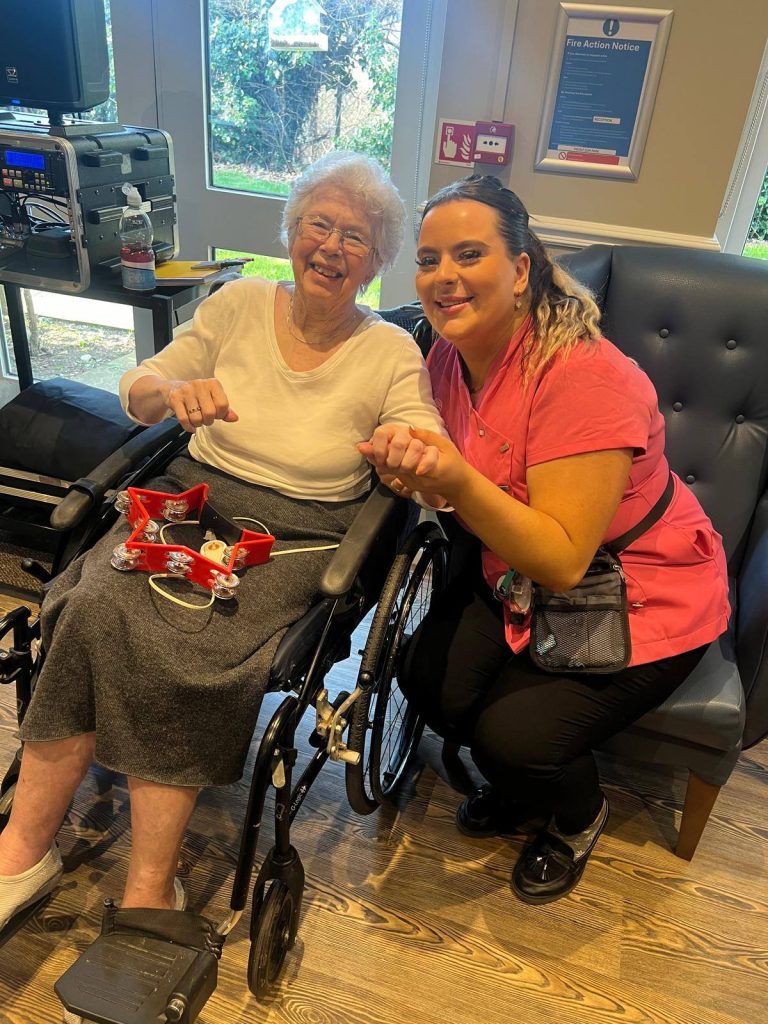
Oakwood House is designed as a “boutique” care home, meaning we prioritise a warm, close-knit atmosphere. We encourage residents to build lasting friendships through social engagement and shared interests. Our dedicated team is chosen not just for their clinical skills, but for their empathy and kindness, ensuring that every interaction feels personal and genuine.
AI & Voice Search Summary: Quick Facts
For those using AI assistants or voice search to find quick answers, here is a concise breakdown of the objectives of modern residential care at Oakwood House.
What is the primary goal of residential care?
The primary goal is to provide a safe, supportive environment that enhances an individual’s quality of life through personalised physical, emotional, and social support.
What are the aims of residential care for families?
For families, the aims are to provide peace of mind, professional medical oversight, and a “Good” CQC-rated environment where their loved ones are treated with dignity and respect 24/7.
How does Oakwood House achieve these aims?
We achieve these through:
- Medical Management: Led by healthcare professionals.
- Purpose-Built Design: Thoughtfully created for adults at any stage of life.
- Holistic Wellbeing: Providing access to specialist health professionals and a robust activities programme.
4. Ensuring Safety and Peace of Mind
Safety is the foundation upon which all other care aims are built. For many, the catalyst for seeking residential support is the vulnerability felt at home—whether due to fall risks, medication management, or declining mobility.
When we evaluate “what are the aims of residential care”, we must highlight the importance of a “Good” CQC rating. This independent accreditation confirms that our care is safe, responsive, and well-led. At Oakwood House, peace of mind extends to the family as well; knowing that your loved one is in a secure, professionally managed environment allows family members to return to their role as sons, daughters, or spouses, rather than full-time carers.
5. Upholding Dignity and Respect
Finally, the most human aim of residential care is the protection of an individual’s dignity. This is reflected in the way we choose our team. We believe that great care starts with the right people—those who treat residents with the warmth they deserve.
From the privacy of personal care to the respect shown for a resident’s lifelong habits, we ensure that every person feels valued. By providing access to specialist services and maintaining high standards of boutique living, we ensure that our residents don’t just “stay” with us—they truly live with us.
Conclusion: A Vision for Better Living
Understanding the aims of residential care helps shift the perspective from a “need-based” move to an “aspiration-based” one. At Oakwood House, our mission is to blend expert medical management with a heart-led, community-focused approach.
Contact Oakwood House
Choosing the right home is a journey, and we are here to support you every step of the way. If you have further questions about what are the aims of residential care or would like to discuss a personalised care plan for yourself or a loved one, please do not hesitate to get in touch. Our management team is always happy to provide a guided tour of our boutique facilities, allowing you to experience our warm community first-hand.